
The Problem with Mass-Produced Skincare
Commercial moisturizers typically contain water as their primary ingredient, followed by emulsifiers, preservatives, and synthetic fragrances. These products sit in warehouses and on store shelves for months or even years before reaching consumers. To prevent spoilage, manufacturers add chemical preservatives that can irritate skin and disrupt its natural balance.
Mass production also means standardized formulas designed for the widest possible audience. Your skin has specific needs based on your genetics, environment, and lifestyle. A one-size-fits-all approach rarely addresses individual skin concerns effectively.
What Makes Handmade Skincare Different
Small-batch production allows for quality control at every step. When someone makes skincare by hand, they can monitor temperature, mixing time, and ingredient ratios precisely. This attention to detail results in a more consistent and effective product.
Handmade products also reach consumers faster. Shorter time between production and use means fresher ingredients and more potent formulations. The beneficial compounds in natural ingredients degrade over time, so fresher products deliver better results.
Why Organic Matters for Tallow Quality
Organic certification ensures that cattle graze on pastures free from synthetic pesticides and herbicides. These chemicals can accumulate in animal fat, meaning non-organic tallow may contain residues from agricultural treatments.
Organic farming practices also prohibit growth hormones and routine antibiotics. Cattle raised without these interventions produce cleaner fat with a better nutrient profile. The difference in quality becomes apparent when you compare the color and texture of organic versus conventional tallow.
Grass-fed organic cattle produce tallow with higher levels of omega-3 fatty acids and fat-soluble vitamins. The nutrient density of the final product depends entirely on what the animals consumed. Cattle that eat their natural diet of grass produce superior tallow for skincare applications.
The Rendering Process & Product Quality
Rendering refers to the process of purifying raw animal fat into clean tallow. Traditional rendering methods use low heat over extended periods. This slow process preserves the vitamins and beneficial compounds that high-heat industrial rendering destroys.
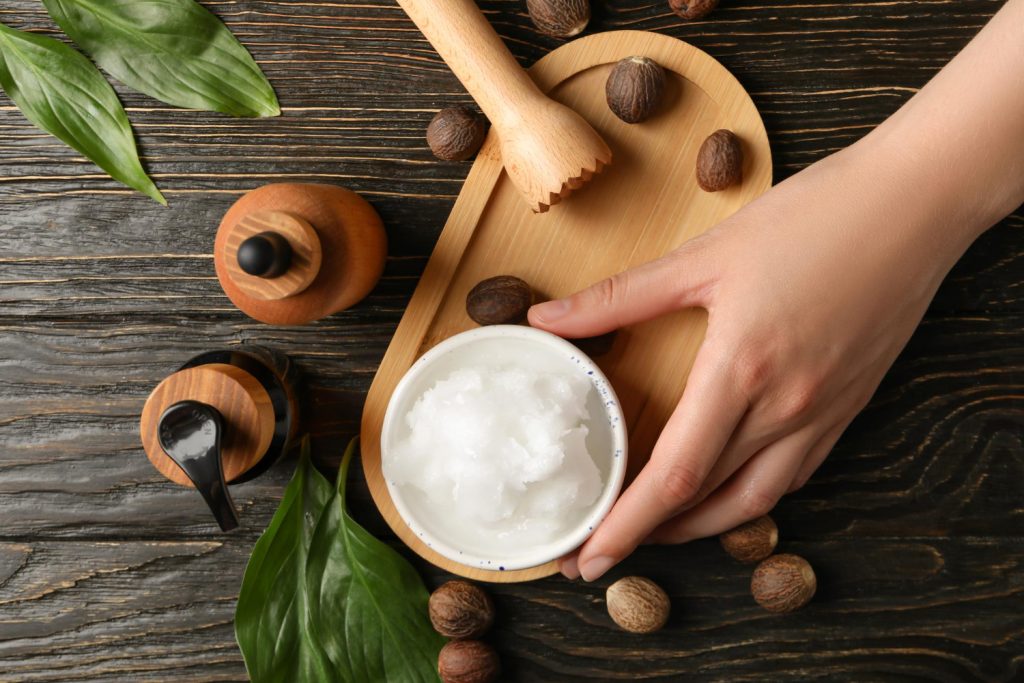
Handmade tallow cream typically comes from carefully rendered fat that has been filtered multiple times. The result is a pure white substance with minimal odor. This purity means the tallow won’t interfere with added essential oils or other natural ingredients.
How Simple Ingredients Create Effective Formulas
Many handmade tallow creams contain just three or four ingredients. This simplicity reduces the risk of skin reactions and makes it easier to identify any ingredients that don’t work for your skin. When a product contains 30 or 40 ingredients, determining which one causes problems becomes nearly impossible.
A basic tallow cream might contain only tallow, a liquid oil like jojoba or olive oil, and optional essential oils for scent. This minimal formula provides everything skin needs for moisture and protection without unnecessary additives.
The liquid oil component helps adjust the cream’s consistency. Tallow alone can feel too solid for some applications, while pure oils feel too liquid. Combining the two creates a balanced texture that spreads easily and absorbs well.
Why Fresh Matters for Natural Products
Natural ingredients have a limited shelf life compared to synthetic ones. Handmade tallow cream typically lasts six months to a year when stored properly. This shorter lifespan indicates the absence of harsh preservatives but requires users to purchase smaller quantities more frequently.
The tradeoff benefits your skin. Fresh ingredients retain their potency and provide maximum benefits. As natural products age, their beneficial compounds oxidize and become less effective. Using fresh products ensures you get the full value from each ingredient.
The Environmental Impact of Small-Batch Production
Handmade skincare typically has a smaller carbon footprint than mass-produced alternatives. Small businesses often source ingredients locally and ship products shorter distances. This localized approach reduces transportation emissions and supports regional economies.
Using animal byproducts like tallow also reduces waste. Many commercial operations discard animal fat or render it into industrial products. Converting this fat into skincare gives it value and prevents waste.
Testing & Quality Assurance in Handmade Products
Small-batch producers often test their products extensively before selling them. Many start by making products for personal use, then expand to friends and family before offering them to the public. This organic growth pattern means products have been proven effective before they reach a wider market.
Handmade businesses also tend to have direct relationships with customers. This connection creates feedback loops that help producers refine their formulas based on real-world results. Large companies rarely have this level of customer interaction.
The True Cost of Natural Skincare
Handmade organic tallow cream costs more per ounce than drugstore moisturizers. This higher price reflects quality ingredients, small-batch production, and fair labor practices. However, the concentrated nature of tallow means you need less product per application.
Many users find that a jar of tallow cream lasts longer than synthetic lotions. The deep moisturization means you don’t need to reapply as frequently. When you calculate cost per use rather than cost per ounce, natural tallow cream often proves more economical.
Making the Switch to Handmade Products
Transitioning to handmade organic skincare works best as a gradual process. Start by replacing one product at a time, beginning with your moisturizer. This approach lets you observe how your skin responds without overwhelming your routine.
Give new products at least two weeks before judging their effectiveness. Your skin needs time to adjust to natural ingredients, particularly if you’ve been using synthetic products for years. Initial reactions often subside as your skin adapts to gentler formulations.
Store handmade products properly to extend their shelf life. Keep them in cool, dark places away from direct sunlight and heat. Some users refrigerate their tallow creams during summer months to prevent melting and maintain freshness.