
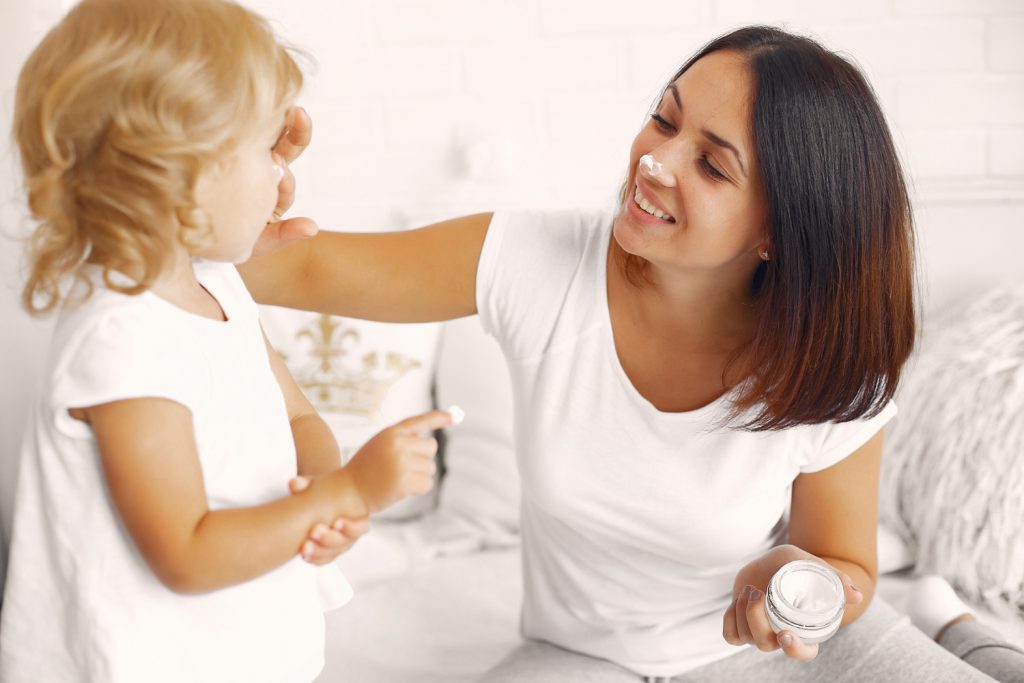
Why Children’s Skin Requires Special Attention
Infant and child skin differs significantly from adult skin in structure and function. The outer protective layer is thinner, making it more vulnerable to irritants and moisture loss. Babies are born with skin pH close to neutral that gradually becomes more acidic over the first year, affecting which products work safely.
Young skin also has a higher surface-area-to-body-weight ratio than adult skin, meaning topical products affect children more significantly. Anything applied to a baby’s skin gets absorbed proportionally more than the same product on an adult. This makes ingredient selection essential for parents seeking safe skincare options.
Children’s skin produces less natural oil than adult skin, particularly in the first months of life. This lower sebum production means babies need external moisture support, but that support must be gentle enough not to disrupt their developing skin barrier. Many conventional baby products contain ingredients too harsh for delicate infant skin.
Common Irritants in Baby Skincare Products
Walk down the baby product aisle and you will find shelves of lotions, creams, and ointments marketed for infant skin. Yet many contain ingredients that can irritate or sensitize young skin. Fragrances, even ones labeled as gentle or baby-friendly, rank among the most common allergens in skincare products.
Preservatives necessary in water-based products can cause reactions in sensitive skin moisturizer users. Parabens, phenoxyethanol, and formaldehyde-releasing preservatives all appear in baby products despite concerns about their effects. These chemicals prevent bacterial growth in water-containing formulations but offer no benefit to skin itself.
Petroleum-based ingredients like mineral oil create a barrier on skin but do not nourish it. They sit on the surface rather than absorbing, which can trap heat and moisture underneath. For babies prone to rashes or those in warm climates, this occlusive effect sometimes worsens skin issues rather than helping.
The Biocompatibility of Tallow
Tallow’s fatty acid profile closely matches human sebum, the oil our skin naturally produces. This similarity means skin recognizes tallow and can absorb and use it efficiently. The biocompatibility reduces the likelihood of irritation because skin treats tallow like something it produced rather than a foreign substance.
This becomes especially important for babies and children with sensitive skin conditions. Their compromised skin barriers struggle to process unfamiliar synthetic ingredients. Organic tallow cream provides fatty acids similar to what healthy skin produces naturally, supporting barrier repair rather than adding stress.
The vitamins naturally present in grass-fed tallow also benefit developing skin. Vitamin A supports cell turnover and skin health. Vitamin D plays roles in skin immunity and barrier function. Vitamin E offers antioxidant protection. These nutrients arrive in forms skin can readily use since they occur naturally in the fat.
Addressing Common Childhood Skin Concerns
Diaper rash affects most babies at some point. The combination of moisture, friction, and exposure to urine and feces irritates delicate diaper-area skin. Many conventional diaper creams contain zinc oxide suspended in petroleum or other synthetic bases. While zinc oxide helps, the base ingredients may not support healing.
Tallow alone or combined with zinc oxide creates a nourishing skin remedy that protects while helping skin heal. The fatty acids in tallow support barrier repair, which is essential for resolving diaper rash. Parents report that tallow-based diaper balms often work faster than conventional products.
Cradle cap, eczema patches, and dry skin areas also respond well to tallow application. The gentle nature of tallow means you can apply it frequently without worrying about overloading sensitive skin with harsh ingredients. Many parents find that regular tallow use helps prevent these issues from developing.
Safety Considerations & Purity
When selecting skincare for children, purity matters tremendously. Products with short ingredient lists reduce the chance of reactions because fewer ingredients mean fewer possible irritants. Organic tallow cream typically contains just rendered fat and perhaps beeswax or essential oils.
The source of the tallow affects purity levels. Grass-fed cattle raised without hormones or antibiotics produce cleaner fat than conventionally raised animals. This matters for baby products because you want the purest possible ingredients touching your child’s skin.
Processing methods also affect safety. Traditional rendering using low heat preserves beneficial compounds while removing impurities. Some commercial rendering uses high heat or chemical solvents that leave residues. Small-batch producers typically use gentle methods that maintain tallow quality.
Application Tips for Baby Skin
Newborn skin requires special care in the first weeks. Many pediatricians recommend minimal product use initially, allowing the vernix caseosa (the waxy coating babies are born with) to absorb naturally. After this period, gentle moisturizing supports healthy skin development.
Apply tallow cream to damp skin after bathing for maximum absorption. You need only a small amount since tallow spreads easily and absorbs well. Focus on areas prone to dryness like elbows, knees, and cheeks. For diaper area protection, apply a thicker layer before putting on fresh diapers.
Some babies have such sensitive skin that even gentle products cause reactions initially. If this occurs, try applying tallow to a small test area first. Let it sit for 24 hours to observe any response. Most babies tolerate tallow extremely well, but individual sensitivities can always occur.
Comparing Tallow to Other Natural Options
Parents interested in natural baby care might consider various options beyond tallow. Coconut oil, shea butter, and cocoa butter all have advocates. Each has properties that benefit skin, but each also has limitations for baby use.
Coconut oil can be comedogenic, meaning it may clog pores. On a baby’s face, this could contribute to infant acne or milia. Shea butter is wonderful but can be too heavy for some climates and skin types. Cocoa butter also ranks highly comedogenic and might not suit facial application.
Tallow’s lighter texture and close match to human sebum make it less likely to cause clogging while still providing substantial moisture. It works in all climates and suits facial and body application equally. This versatility means parents need only one product rather than different options for different body areas.
Teaching Older Children About Natural Skincare
As children grow, involving them in skincare choices teaches valuable lessons about reading ingredients and making informed decisions. Showing a child that their skin cream contains just two or three recognizable ingredients helps them understand that effective products need not be complicated.
This education sets patterns for later life when marketing pressures push teens toward products loaded with unnecessary chemicals. Children who grow up using simple, effective formulations like tallow cream develop different expectations about what skincare should be.
Older children with eczema or other skin conditions particularly benefit from knowing about their sensitive skin moisturizer choices. They can learn to identify triggers and choose products that support their skin rather than aggravating conditions.
Building Confidence in Natural Choices
Parents sometimes worry that choosing alternatives like tallow means rejecting modern medicine or safety standards. This concern is understandable given marketing that equates industrial manufacturing with safety. However, traditional ingredients used for centuries often have better safety profiles than recently developed synthetic chemicals.
Tallow use for baby skin dates back thousands of years across cultures worldwide. This extensive human history provides a form of safety testing that no modern product can claim. If tallow caused widespread problems, it would not have remained in use across so many generations and societies.
Trusting this nourishing skin remedy for your children connects you to ancestral wisdom while providing genuinely safe, effective care. The simplicity of tallow skincare offers peace of mind that complicated ingredient lists cannot match.