
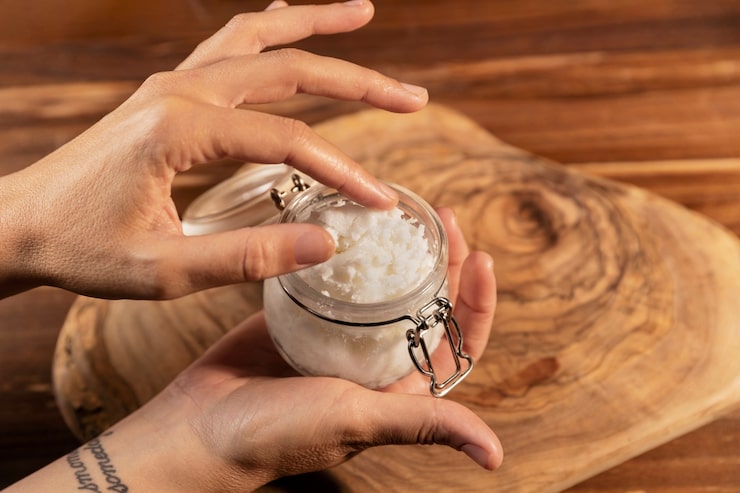
The combination of beef tallow and raw honey creates a skincare pairing that addresses winter skin challenges on multiple levels. Both ingredients come from traditional practices spanning generations, yet their benefits align with modern knowledge of skin biology. Together, they provide nourishment that synthetic products cannot replicate.
What Makes Tallow Effective
Beef tallow, rendered from the fat of cattle, shares a fatty acid profile with human sebum. This similarity allows tallow to absorb fully into skin layers rather than sitting on the surface. The fat-soluble vitamins present in grass-fed tallow, including vitamins A, D, E, and K, support skin cell function directly.
The rendering process matters significantly. Low-temperature rendering preserves heat-sensitive nutrients that harsh processing destroys. Tallow from grass-fed cattle contains higher levels of beneficial compounds than conventional sources.
How Tallow Delivers Nutrients
When applied topically, tallow carries its nutrients into the lipid layers of the stratum corneum. This outer skin layer contains organized lipid structures between cells. Tallow integrates with these structures, delivering vitamins where they can act on skin cells.
Vitamin A promotes cell turnover, helping replace damaged cells with healthy ones. Vitamin E protects against oxidative damage from UV exposure and pollution. These nutrients work directly on skin tissue without needing to pass through the digestive system.
The Remarkable Properties of Raw Honey
Raw honey, unheated and unprocessed, retains enzymes, antioxidants, and nutrients that processed honey lacks. For skincare, these properties provide benefits that synthetic ingredients cannot match.
Honey acts as a humectant, drawing moisture from the air into skin. This property complements the occlusive nature of tallow, which prevents moisture loss. Together, they both attract moisture and keep it locked in place.
Antimicrobial Benefits
Raw honey contains hydrogen peroxide, methylglyoxal, and other compounds with antimicrobial action. Applied to skin, honey helps prevent bacterial colonization that can lead to breakouts and infection. This protection proves especially valuable for compromised winter skin with micro-cracks.
The enzymes in raw honey gently exfoliate, breaking down dead skin cells without harsh scrubbing. This enzymatic action reveals brighter skin while supporting natural renewal processes.
Why Winter Skin Needs This Combination
Winter conditions create specific challenges that the tallow-honey combination addresses effectively. Cold, dry air outside and heated, dry air inside strip moisture continuously. The skin barrier becomes compromised, leading to cracking and irritation.
Tallow rebuilds the lipid barrier that winter conditions break down. Its fatty acids fill gaps between skin cells, restoring the protective function of the stratum corneum. With the barrier restored, skin retains moisture rather than losing it to dry ambient air.
Addressing Inflammation
Winter skin often becomes inflamed from repeated cold exposure and dryness. Both tallow and honey contain anti-inflammatory compounds. Tallow’s omega-3 fatty acids and honey’s antioxidants work together to calm redness and irritation.
The combination proves especially helpful for those with inflammatory skin conditions that worsen in winter. Eczema, psoriasis, and rosacea often flare during cold months, and the tallow-honey combination helps manage symptoms.
Achieving Radiant Skin Naturally
Dull, lackluster winter skin results from accumulated dead cells and reduced blood flow in cold temperatures. The gentle enzymatic exfoliation from honey helps remove dead cell buildup. This reveals the brighter, newer cells beneath.
Improved moisture levels also contribute to radiance. Well-hydrated skin reflects light more evenly than dry, rough skin. The combination of tallow’s deep moisturizing and honey’s humectant action creates optimal hydration for a natural glow.
Supporting Skin Renewal
During winter, skin cell turnover naturally slows. The vitamin A in tallow helps normalize this process, encouraging healthy renewal rates. Honey’s nutrients provide raw materials that skin cells need for regeneration.
Regular use of products containing both ingredients supports ongoing renewal throughout the cold season. Rather than accumulating dullness over months, skin maintains its vitality despite winter conditions.
Nourishing Skin from the Outside In
The combination of tallow and honey provides nutrition topically. Skin cells absorb these nutrients directly, using them for structural maintenance and repair. This external nourishment complements dietary nutrition.
Modern diets often lack the fat-soluble vitamins abundant in traditional foods. Topical application of tallow provides these vitamins directly to skin, bypassing any possible absorption issues in the digestive system.
The Importance of Quality Ingredients
Not all tallow or honey products deliver equal benefits. Grass-fed tallow from pastured cattle contains higher nutrient levels than conventional alternatives. Raw, unprocessed honey retains enzymes and compounds that heating destroys.
Seeking products that specify grass-fed sources and raw honey ensures maximum benefit. Small-batch producers who prioritize ingredient quality over cost savings typically deliver superior results.
How to Incorporate Tallow & Honey into Skincare
Products combining tallow and honey exist in various forms. Face creams, body butters, and balms may contain both ingredients in carefully formulated ratios. Choosing products from reputable makers ensures proper formulation.
Application follows standard skincare practices. Clean skin absorbs products most effectively. A small amount, warmed between fingers, spreads easily across the face or body. Allow absorption time before dressing or applying additional products.
DIY Considerations
Some people prefer making their own skincare products. Combining tallow and honey at home requires attention to proportions and technique. The fat content of tallow must balance with honey’s water content to create stable products.
Food-grade ingredients work for skincare purposes. Rendered tallow from a trusted source, combined with raw local honey, provides accessible materials for home formulation. Research proper techniques before attempting DIY skincare.
Seasonal Adjustments for Best Results
Winter demands richer applications than other seasons. During the coldest, driest months, increasing product quantity or application frequency helps skin cope with conditions.
As spring approaches and humidity increases, reducing application prevents excess oiliness. The same products serve year-round needs with appropriate quantity adjustments.
Building Long-Term Skin Health
Regular use of tallow and honey products throughout winter builds resilient skin. Rather than merely addressing symptoms of dryness, these ingredients support the skin’s own protective and repair systems.
By spring, skin that has received consistent nourishment emerges in better condition than skin treated with synthetic products that only mask problems. This long-term benefit justifies the investment in quality, natural skincare.