
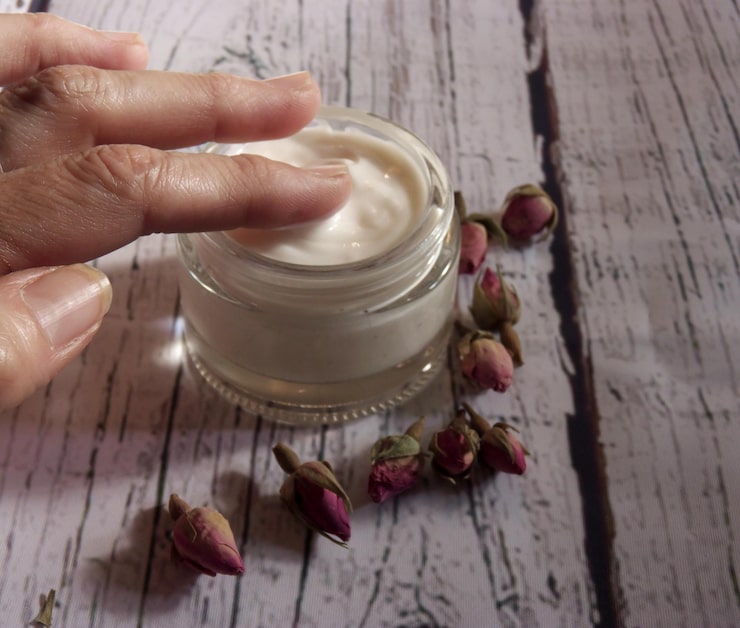
Winter demands more from skincare products than other seasons. Cold, dry conditions stress skin relentlessly, requiring moisturizers that provide deep, lasting hydration. Beef tallow has emerged as a top ingredient for winter skincare due to its compatibility with human skin biology. Knowing what makes an effective tallow moisturizer helps in selecting products that deliver results.
What to Look for in Winter Moisturizers
Effective winter moisturizers must do more than add temporary moisture. They need to repair and reinforce the skin barrier that cold, dry air breaks down. Products that simply coat the skin surface provide only temporary relief.
The best tallow moisturizers contain high-quality rendered fat from grass-fed cattle. This sourcing matters because grass-fed animals produce fat with higher nutrient levels. Vitamins A, D, E, and K occur in greater concentrations in pastured cattle.
Key Ingredients Beyond Tallow
Quality formulations often include complementary ingredients that increase tallow’s benefits. Jojoba oil, with its sebum-like composition, aids absorption and adds vitamin E. Raw honey brings humectant properties and antimicrobial action.
Avoid products with long lists of synthetic additives. Preservatives, fragrances, and emulsifiers often cause the very skin problems people seek to address. Simpler formulations with fewer ingredients typically perform better for sensitive, winter-stressed skin.
Type One: Whipped Tallow Face Cream
Whipped tallow face cream incorporates air during production, creating a lighter texture than solid tallow. This form spreads easily on facial skin without feeling heavy. The whipping process does not diminish nutritional content.
Face creams typically use finer-textured tallow with minimal additional ingredients. Some include a small amount of carrier oil to improve absorption. The result applies smoothly and disappears into skin within minutes.
Best Uses for Face Cream
Daily application, morning and evening, provides consistent facial moisture. A small amount, about pea-sized, covers the full face and neck. Allowing absorption before makeup application prevents interference with cosmetics.
Those with dry skin conditions may benefit from slightly heavier application. The eye area, with thinner skin, requires gentle patting rather than rubbing. Lips also benefit from tallow face cream applied directly.
Type Two: Tallow Body Butter
Body butter contains a higher proportion of tallow than face cream, creating a richer product for larger body surfaces. The thicker texture provides more occlusion, making it ideal for extremely dry areas.
Quality body butters melt at body temperature, allowing easy spreading despite their density. Once warmed between palms, they apply smoothly over arms, legs, and torso. Dry patches on elbows, knees, and heels receive concentrated benefits.
Application Techniques
Applying to slightly damp skin after showering helps lock in additional moisture. The water on skin combines with body butter for increased hydration. Focus extra product on chronically dry areas.
Evening application allows overnight absorption without concern about clothing or activities. Some people apply it to their hands and feet, then wear cotton gloves and socks to bed for deeper penetration.
Type Three: Anti-Aging Tallow Cream
Formulations designed for anti-aging purposes may include additional ingredients that target specific concerns. Rosehip oil, with its high vitamin C content, supports collagen production. Sea buckthorn oil adds antioxidants and additional vitamin A.
These specialized creams cost more than basic formulations but address multiple concerns simultaneously. The tallow base provides moisture while added ingredients work on fine lines, discoloration, and texture issues.
Dry Skin Hydration with Anti-Aging Benefits
Winter dryness accelerates visible aging. Fine lines appear more prominent on dehydrated skin. Adequate moisture plumps skin cells, temporarily reducing line visibility while long-term ingredients work on deeper concerns.
Consistent use throughout winter prevents the cumulative damage that dry conditions cause. Skin emerges from winter in better condition than when the season began.
Type Four: Tallow Balm for Problem Areas
Concentrated balms address specific problem areas that need more intensive treatment. Cracked heels, rough cuticles, and chapped lips require products that stay in place and provide prolonged contact.
Balms contain higher ratios of solid fats, creating products that do not run or migrate. This staying power allows overnight treatment of stubborn areas. Some balms include beeswax for additional structure and protection.
Targeted Treatment Applications
Apply thick layers to problem areas before bed. Cover hands with cotton gloves and feet with cotton socks to hold the product in contact with skin. Repeat nightly until condition improves.
Lip balms made with tallow provide longer-lasting moisture than petroleum-based alternatives. The nutrients in tallow support lip tissue repair while maintaining hydration.
Type Five: Multipurpose Tallow Stick
Solid tallow sticks offer convenience for on-the-go application. The stick format allows mess-free use without washing hands after application. Many people keep sticks at desks, in cars, and in bags for frequent reapplication.
Sticks work well for hands, lips, and dry facial patches throughout the day. The solid format remains stable at room temperature, making sticks travel-friendly.
Practical Everyday Use
During winter, frequent handwashing and exposure to cold air quickly dry hands. Keeping a tallow stick nearby allows immediate reapplication after each handwashing. This consistent moisture prevents the cracking that develops from cumulative drying.
The stick format also allows thapplication to face without contaminating the product with fingers. Glide the stick over cheekbones, nose bridge, and other dry-prone areas for quick touch-ups.
Selecting Quality Products
With tallow skincare gaining popularity, product quality varies widely. Look for specific indicators of quality. Grass-fed sourcing should be clearly stated. The ingredient list should be short and recognizable.
Reputable producers provide information about their sourcing and production methods. Transparency about where tallow comes from and how it is rendered indicates commitment to quality.
Price Considerations
Higher quality commands higher prices. Small-batch, handmade products cost more than mass-produced alternatives. However, tallow products concentrate nutrients, so a small amount goes far. Per-use costs often compare favorably to conventional products.
Investing in quality pays dividends in skin health. Cheap products with synthetic fillers may cost less initially but deliver inferior results. The skin shows the difference over time.