
Creating Safe Essential Oil Dilutions
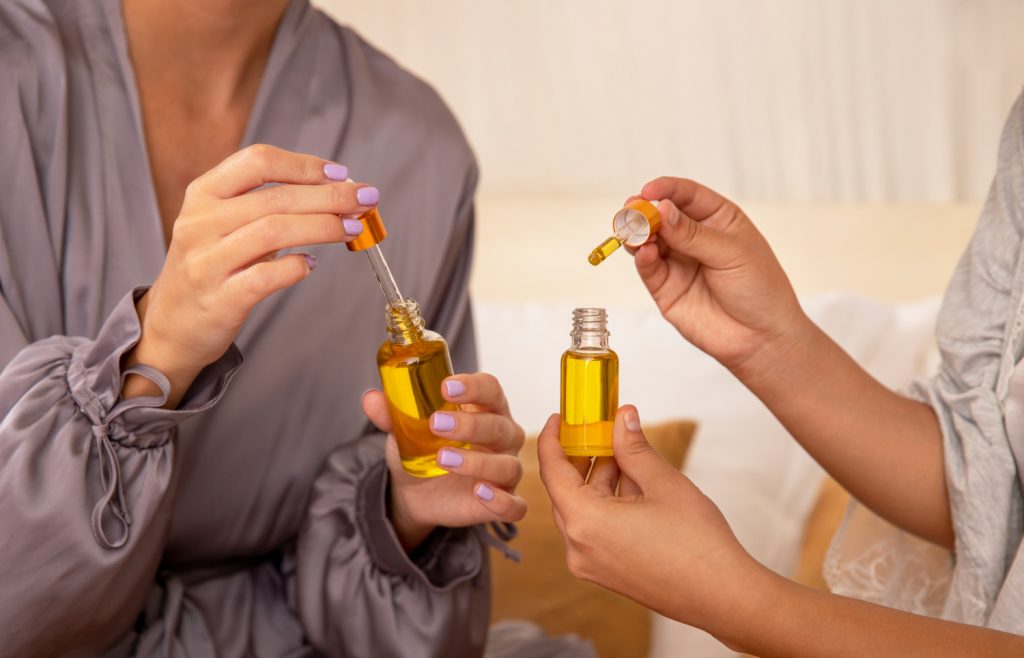
Essential oils require proper dilution before applying to skin. Undiluted oils can cause irritation, sensitization, or chemical burns. The standard dilution for facial products ranges from 1% to 2%, which equals roughly 6 to 12 drops of essential oil per ounce of tallow.
Body products can tolerate slightly higher concentrations, typically 2% to 3%. This translates to 12 to 18 drops per ounce. Start with lower concentrations and increase gradually if desired, as individual tolerance varies considerably.
Calculate dilutions by weight for accuracy, though drops work for small batches. One milliliter of essential oil contains approximately 20 drops. An ounce of tallow weighs about 28 grams, so a 2% dilution requires 0.56 grams or roughly 11 drops of essential oil.
Lavender for Calming & Repair
Lavender oil supports skin healing and reduces inflammation. Research shows it can help minor burns, cuts, and insect bites heal faster. The calming properties also benefit stress-related skin issues like breakouts and inflammation.
This oil works well for all skin types and rarely causes reactions when properly diluted. The gentle nature makes it suitable for sensitive skin that reacts to stronger oils. Many people use lavender blends before bed due to its relaxing scent.
Combine lavender with tallow at a 1.5% dilution for daily facial use. This concentration provides therapeutic benefits without overwhelming the skin or senses. The floral scent complements tallow’s neutral base without becoming overpowering.
Tea Tree for Problem Skin
Tea tree oil has antimicrobial properties that help control acne-causing bacteria. It can reduce breakouts without the harsh drying effects of benzoyl peroxide or salicylic acid. The oil also helps with fungal conditions like athlete’s foot when added to body products.
Use tea tree oil sparingly, as it can irritate skin at high concentrations. A 1% dilution provides benefits for most people without causing problems. Those with very sensitive skin should start at 0.5% and observe how their skin responds.
The strong medicinal scent of tea tree oil dominates blends. Consider combining it with lavender or geranium to create a more pleasant aroma while maintaining the skin benefits. A ratio of 2 parts lavender to 1 part tea tree works well for many users.
Frankincense for Mature Skin
Frankincense oil supports skin cell regeneration and may help reduce the appearance of fine lines. The oil has been used for thousands of years in skincare and retains popularity due to its effectiveness. The woody, resinous scent appeals to those who prefer earthy fragrances.
This oil works particularly well for dry or mature skin types. The compounds in frankincense help strengthen skin and improve tone. Regular use may reduce the appearance of age spots and uneven pigmentation.
Mix frankincense with tallow at 1% to 2% for facial applications. The oil blends well with other skin-supporting oils like lavender or helichrysum. These combinations create synergistic effects that exceed what single oils provide.
Geranium for Balancing Sebum Production
Geranium oil helps regulate sebum production, making it valuable for both dry and oily skin types. The balancing effect means skin produces appropriate amounts of oil without extremes. This property makes geranium particularly useful for combination skin.
The rosy, slightly sweet scent has mild uplifting properties. Many people find the aroma pleasant without it being overly floral or feminine. The scent works well in both facial and body products.
Mix geranium with tallow at 1% to 1.5% for facial use. The oil combines nicely with lavender for a more layered floral scent or with citrus oils for a brighter, more energizing blend. These combinations maintain the balancing properties while creating custom fragrances.
Helichrysum for Scarring & Damage
Helichrysum oil supports skin healing and may help reduce the appearance of scars and damage. The oil costs more than many others but provides powerful regenerative properties. A little goes a long way, making it more economical than the initial price suggests.
This oil benefits skin that has experienced trauma, either from acne, injuries, or sun damage. The anti-inflammatory compounds help reduce redness while supporting tissue repair. Many users report visible improvements in old scars after consistent use.
Use helichrysum at 0.5% to 1% in facial blends. The oil has a strong, earthy scent that some people find medicinal. Combining it with frankincense or lavender creates a more balanced aroma while maintaining the healing properties.
Chamomile for Sensitive Skin
Both Roman and German chamomile oils soothe irritated, inflamed skin. German chamomile contains more anti-inflammatory compounds and appears dark blue due to chamazulene content. Roman chamomile has a sweeter scent and works well for emotional calming alongside physical soothing.
Chamomile oils suit people with reactive skin conditions like eczema or rosacea. The gentle nature rarely causes additional irritation while providing meaningful relief. The oils can also help sunburned or wind-damaged skin recover faster.
Dilute chamomile to 1% for facial applications. The oil blends beautifully with lavender for increased calming effects. This combination creates a gentle mix that is suitable for even the most sensitive skin types.
Carrot Seed for Sun Damage
Carrot seed oil contains high levels of antioxidants that protect against free radical damage. The oil may help repair sun-damaged skin and provides some natural sun protective properties, though it shouldn’t replace proper sun protection.
The earthy, root-like scent isn’t everyone’s favorite, but the skin benefits make it worth using. Combining carrot seed with more pleasant-smelling oils masks the aroma while maintaining the protective effects.
Use carrot seed at 1% in facial blends. Pair it with frankincense and lavender to create a rejuvenating mix for mature or damaged skin. This trio provides complementary benefits that support skin repair and protection.
Rose for Hydration & Luxury
Rose essential oil or rose otto costs significantly more than most oils but delivers exceptional results. The oil hydrates skin, reduces redness, and provides a luxurious sensory experience. A little rose oil makes any mix feel special and indulgent.
True rose oil differs from rose absolute or synthetic rose fragrance. The essential oil, distilled from rose petals, contains therapeutic compounds that imitations lack. The investment in real rose oil pays off in both results and experience.
Dilute rose to 0.5% to 1% in facial products. The low concentration provides benefits while making the expensive oil last longer. Rose blends well with geranium and frankincense for a sophisticated, skin-supporting combination.
Patchouli for Mature & Dry Skin
Patchouli oil helps dry, mature skin by supporting cell regeneration and providing moisture retention properties. The oil has earthy, musky characteristics that create depth in blends. Some people love the distinctive scent while others find it too strong.
This oil becomes more appealing when blended with citrus or floral oils. The combination of patchouli and lavender creates an herbaceous mix that many people enjoy. Adding a touch of orange or bergamot brightens the overall scent profile.
Use patchouli at 1% for facial applications. The oil oxidizes over time, which actually improves its scent. Aged patchouli smells richer and less harsh than fresh oil.
Safety Considerations for Essential Oils
Certain essential oils cause photosensitivity, meaning they make skin more susceptible to sun damage. Citrus oils, particularly bergamot and lemon, fall into this category. Avoid using products containing photosensitive oils before sun exposure or use them only in nighttime routines.
Pregnant women should research individual oils before use, as some essential oils aren’t recommended during pregnancy. Oils like clary sage and rosemary may affect hormones or have other contraindications. When in doubt, consult with a healthcare provider.
Patch testing remains important even with proper dilutions. Apply a small amount of your mix to your inner forearm and wait 24 hours before using it on your face. This simple test can prevent reactions on more visible or sensitive areas.
Storing Essential Oil Blends
Tallow products containing essential oils should be stored in dark glass or opaque containers. Light degrades both the tallow and the essential oils over time, reducing effectiveness. Amber or cobalt blue glass provides good protection while allowing you to see the product level.
Keep blends away from heat and direct sunlight. A cool, dark cabinet works well for most people. Some users refrigerate their tallow blends during summer months to extend shelf life and provide cooling relief during application.
Label your blends with the creation date and ingredients. This practice helps you track which combinations work best for your skin and ensures you use products while they’re still fresh. Natural products typically maintain quality for six to twelve months when stored properly.